Pregnancy weight gain calculator based on starting BMI
Featured Research
One of the most common questions expectant mothers ask is:
“How much weight should I gain during pregnancy?”
Some worry they’re not gaining enough to support their baby’s development. Others fear gaining too much, making postpartum recovery harder or increasing the risk of gestational diabetes and high blood pressure. The truth is, pregnancy weight gain is neither “the more the better” nor the same for everyone.
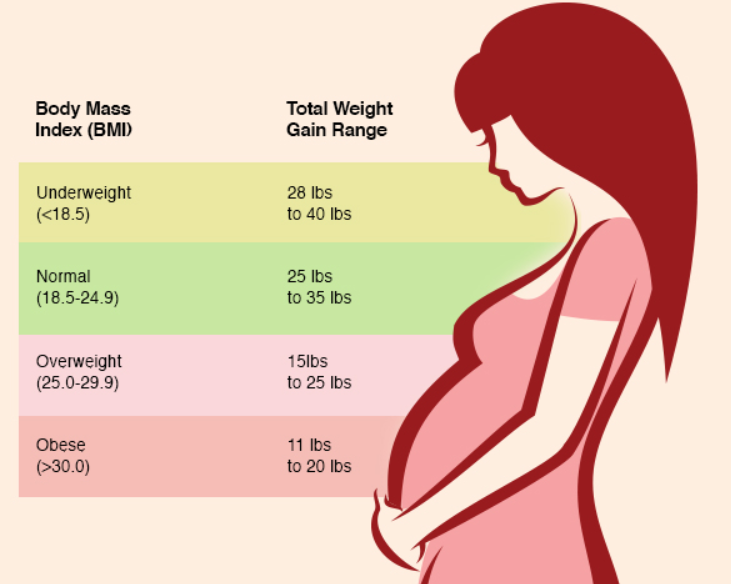
The right amount depends largely on your starting BMI before pregnancy.
That’s exactly why a Pregnancy Weight Gain Calculator Based on Starting BMI is so useful.
Why Pre-Pregnancy BMI Matters for Weight Gain
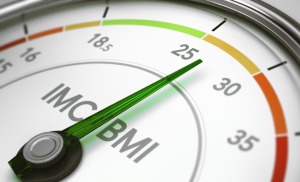
BMI (Body Mass Index) is a simple calculation based on height and weight, but it plays an important role in pregnancy health.
Women begin pregnancy with different body compositions and fat reserves. These differences affect how much additional weight the body needs to support fetal growth. Using a single standard for everyone can lead to confusion or unnecessary anxiety.
Typical pre-pregnancy BMI categories include:
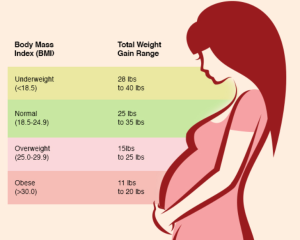
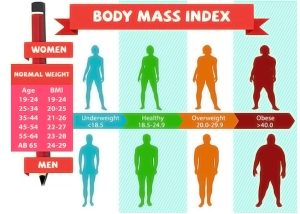
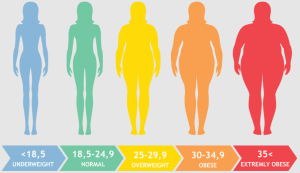
- Underweight (BMI < 18.5): Usually requires more weight gain
- Normal weight (BMI 18.5–24.9): Follows standard guidelines
- Overweight (BMI 25–29.9): Recommended gain is more limited
- Obese (BMI ≥ 30): Weight gain targets are lower
A reliable pregnancy BMI calculator always starts by calculating your BMI before pregnancy, then uses that number to guide healthy weight gain ranges.
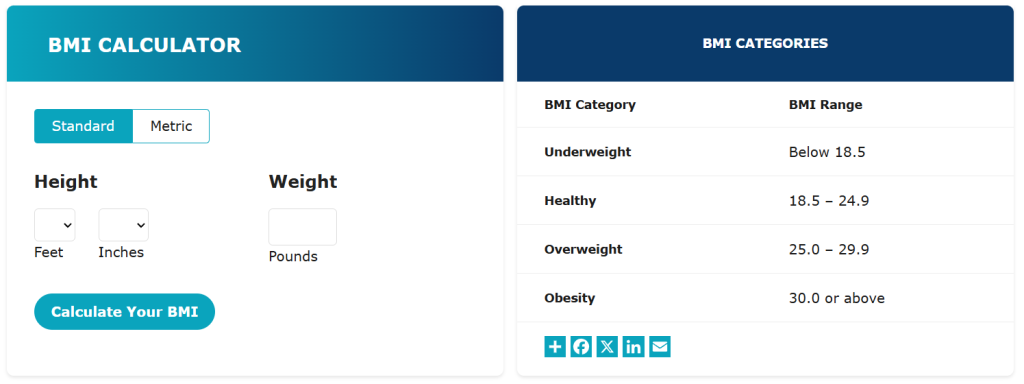
How to Calculate Your Pre-Pregnancy BMI
On this page, you can use the existing BMI Calculator with the following inputs:
- Height: Feet and Inches
- Weight: Pounds
Once entered, the calculator determines your pre-pregnancy BMI, which becomes the foundation for all pregnancy weight gain recommendations.
This step is crucial.
If your starting BMI is incorrect, any advice about how much weight to gain may be misleading.
What Makes Up Pregnancy Weight Gain?
Seeing the number on the scale go up can be stressful, but it helps to understand what that weight actually represents.
A typical pregnancy weight gain breakdown includes:
- Baby’s weight
- Placenta
- Amniotic fluid
- Increased size of the uterus and breasts
- Increased blood volume
- Necessary fat stores for pregnancy and breastfeeding
In other words, not all pregnancy weight gain is body fat, and much of it naturally disappears after delivery.
Recommended Total Weight Gain by BMI (kg)
Based on widely accepted medical guidelines (including approaches used by the NHS), total pregnancy weight gain generally falls into these ranges:
- Underweight: about 12.5–18 kg
- Normal weight: about 11.5–16 kg
- Overweight: about 7–11.5 kg
- Obese: about 5–9 kg
If you’ve searched for terms like “weight gain pregnancy kg”, these numbers usually refer to total gain across the entire pregnancy—not weekly changes.
Pregnancy Weight Gain Happens in Stages
Many people ask:
“Is my weight gain normal for this week of pregnancy?”
That’s why searches such as pregnancy weight gain chart by week and by trimester are so common.
First Trimester (Weeks 0–12)
- Little or no weight gain is expected
- Typical range: 0–2 kg
- Weight loss can occur due to nausea and vomiting
Second Trimester (Weeks 13–27)
- Steady and consistent weight gain
- This is the main growth phase
- Average gain: about 0.3–0.5 kg per week, depending on BMI
Third Trimester (Week 28 onward)
- Weight gain continues, sometimes at a slower pace
- Focus shifts to fetal growth and fluid balance
Whether you’re using a pregnancy weight gain chart by week kg or a trimester-based chart, interpretation should always be adjusted according to your starting BMI.
Kilograms vs Pounds: Why Units Matter
You may notice searches such as:
- pregnancy weight gain chart by week kg
- pregnancy weight gain chart by week lb
These charts show the same information in different units, but mixing systems can easily cause mistakes.
- Imperial system: Pounds (lb), Feet, Inches
- Metric system: Kilograms (kg), Meters
For accuracy, it’s best to stick to one unit system throughout pregnancy or use a calculator that automatically converts values for you.
Understanding the NHS Pregnancy BMI Calculator
Many users search for “pregnancy BMI calculator NHS” expecting a definitive answer. One important point to understand is:
- BMI calculation does not change during pregnancy
- NHS guidance emphasizes using pre-pregnancy BMI to guide weight gain, not using BMI during pregnancy to judge body size
BMI is a starting reference, not a tool for tracking weight week by week while pregnant.
What a Pregnancy Weight Gain Calculator Can Do for You
A calculator based on your starting BMI helps you:
- Understand your healthy total weight gain range
- See whether your current trend is faster or slower than expected
- Reduce unnecessary worry about short-term changes
- Provide clear reference data for doctors or nutrition professionals
It’s not meant to add pressure—it’s meant to offer clarity.
Final Thoughts
Pregnancy weight management isn’t about restriction. It’s about understanding.
When you understand your starting BMI, how weight gain changes by trimester, and what those numbers truly represent, the scale becomes a guide rather than a source of stress.
If you haven’t already, start by calculating your pre-pregnancy BMI using the BMI Calculator above—it’s a simple first step toward a healthier, more confident pregnancy journey.

Related Articles