Is BMI a Reliable Indicator of Health for Everyone
Featured Research
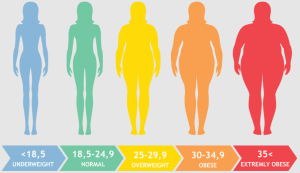
For decades, the Body Mass Index (BMI) has reigned as the dominant, seemingly straightforward metric for categorizing individuals as underweight, healthy, overweight, or obese. Calculated by dividing a person’s weight in kilograms by the square of their height in meters, it offers a tantalizingly simple numerical snapshot. Doctors use it, insurance companies consider it, and public health campaigns are built around it. Yet, beneath this veneer of mathematical objectivity lies a more complex and problematic reality.
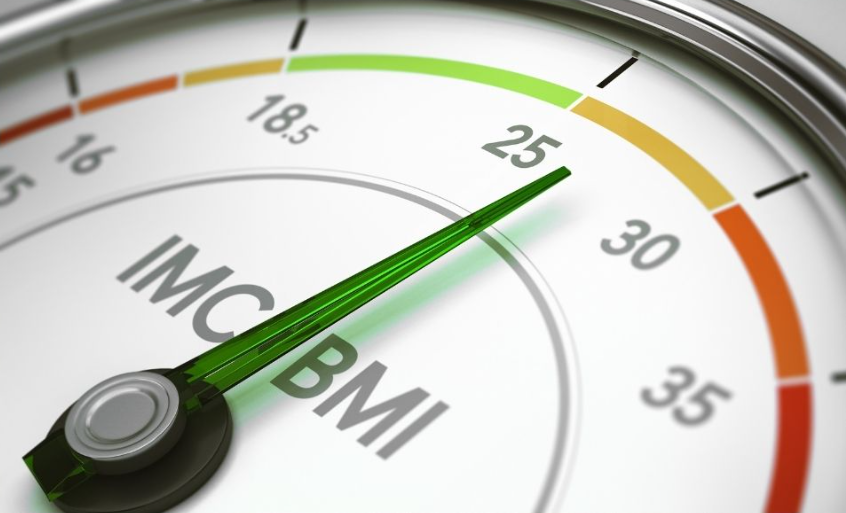
BMI is a deeply flawed and unreliable indicator of individual health for a significant portion of the population. While useful for broad epidemiological studies, its application to individuals is often misleading, oversimplifying the nuanced relationship between body composition, health, and wellness.
The fundamental flaw of BMI lies in what it fails to measure: body composition. The formula treats all mass equally, making no distinction between muscle, bone, fat, and water. This is a critical omission. Consider a professional athlete or a dedicated weightlifter. Muscle is denser and heavier than fat. An individual with a high muscle mass and low body fat percentage can easily fall into the “overweight” or even “obese” category on the BMI scale, despite being in peak physical condition, with excellent cardiovascular health, low blood pressure, and optimal metabolic markers.
The legendary bodybuilder and actor Arnold Schwarzenegger, in his prime, would have been classified as “obese” by BMI standards—an obvious absurdity. Conversely, an individual with a “normal” BMI may have a dangerously high percentage of visceral fat (the fat stored around internal organs), a condition known as “normal-weight obesity” or “skinny fat.” This person may have poor metabolic health, including insulin resistance and high triglycerides, while their BMI signals no cause for concern.
This blind spot extends to the natural variations in human physiology across different demographics. Age is a primary factor. As people age, they tend to lose muscle mass (a process called sarcopenia) and may experience changes in bone density. An elderly person with a “healthy” BMI might be frail, suffering from muscle wasting and osteoporosis, while carrying excess fat.
For this group, a slightly higher BMI has sometimes been associated with better resilience against illness and fractures, flipping the conventional risk narrative on its head. Applying the standard BMI categories to the elderly without context can therefore be not just unhelpful, but potentially harmful, overlooking the paramount importance of strength, mobility, and nutritional status.
Ethnicity and race further expose BMI’s limitations. The standard BMI categories were developed primarily based on data from populations of European descent. However, body composition and fat distribution patterns vary significantly among ethnic groups. For instance, numerous studies have shown that people of Asian descent often develop health risks like type 2 diabetes and cardiovascular disease at lower BMI thresholds than white populations.
This is linked to a higher tendency for visceral fat accumulation, even at a lower overall weight. Consequently, many Asian countries have adopted lower BMI cut-off points for defining overweight and obesity. Conversely, some populations, like individuals of Polynesian descent, may have heavier bone and muscle structures, meaning a “higher” BMI may be less indicative of excess adiposity. Using a one-size-fits-all scale ignores these genetic and biological realities, potentially leading to misdiagnosis and inadequate health guidance for non-white individuals.
Perhaps the most profound criticism of BMI as a health indicator is its complete silence on the determinants and dimensions of health that matter most. Health is not a single number; it is a multidimensional state of physical, mental, and social well-being. BMI tells us nothing about:
- Cardiorespiratory Fitness: A person with a high BMI who is physically active may be far healthier than a sedentary person with a “normal” BMI.
- Dietary Quality: Someone can be thin yet malnourished, living on processed foods devoid of nutrients.
- Mental Health: The obsessive pursuit of a “normal” BMI can fuel eating disorders, anxiety, and a toxic relationship with food and one’s body.
- Metabolic Health: Blood pressure, cholesterol levels, blood sugar control, and inflammatory markers are far more direct indicators of cardiovascular and metabolic risk than BMI.
- Socioeconomic Status: Using BMI as a blunt instrument often stigmatizes individuals, confusing correlation with causation. Poverty, food
insecurity, lack of safe spaces for exercise, and chronic stress are powerful drivers of poor health outcomes, which may correlate with higher BMI but are not caused by it. Blaming BMI can lead to victim-blaming and distract from addressing these root social causes.
The continued over-reliance on BMI has tangible negative consequences. It contributes to weight stigma in healthcare settings, where patients with higher BMIs may have their symptoms dismissed as “weight-related” without proper investigation. It fuels a multi-billion dollar diet industry predicated on the flawed goal of weight loss rather than health gain. It also provides a false sense of security to those within the “normal” range, who may neglect other vital aspects of their lifestyle.
So, what should we use instead? The future of personal health assessment lies in a more holistic, individualized toolkit. Key alternatives and complements include:
- Waist-to-Hip Ratio or Waist Circumference: Simple measurements that better approximate visceral fat, a key driver of metabolic disease.
- Body Composition Analysis: Methods like DEXA scans, bioelectrical impedance analysis, or even advanced calipers can differentiate between muscle and fat mass.
- Cardiometabolic Blood Panels: Direct measurements of blood sugar, lipids, and liver function.
- Fitness Assessments: Measures of strength, endurance, and cardiovascular capacity.
- Lifestyle Audits: Honest evaluations of diet quality, sleep patterns, stress management, and social connectedness.
In conclusion, while BMI can serve as a crude population-level screening tool to track trends over time, its utility as a reliable indicator of *individual* health is severely limited and often counterproductive. It is a flawed compass, pointing in a general direction but incapable of navigating the intricate landscape of human health. By mistaking this simple, antiquated calculation for a definitive diagnosis,
we risk overlooking true health problems, perpetuating stigma, and ignoring the complex, multifaceted nature of well-being. It is time for medical professionals, public health advocates, and individuals alike to move beyond the BMI and embrace a more compassionate, accurate, and comprehensive understanding of what it truly means to be healthy. True health cannot be divined from a two-century-old ratio of height and weight; it is found in the strength of our bodies, the balance of our metabolism, the resilience of our minds, and the quality of our lives.

Related Articles