Is BMI different for men and women?
Featured Research
“My BMI is 22 — is that healthy?”
This is one of the most common questions people ask during a health checkup.
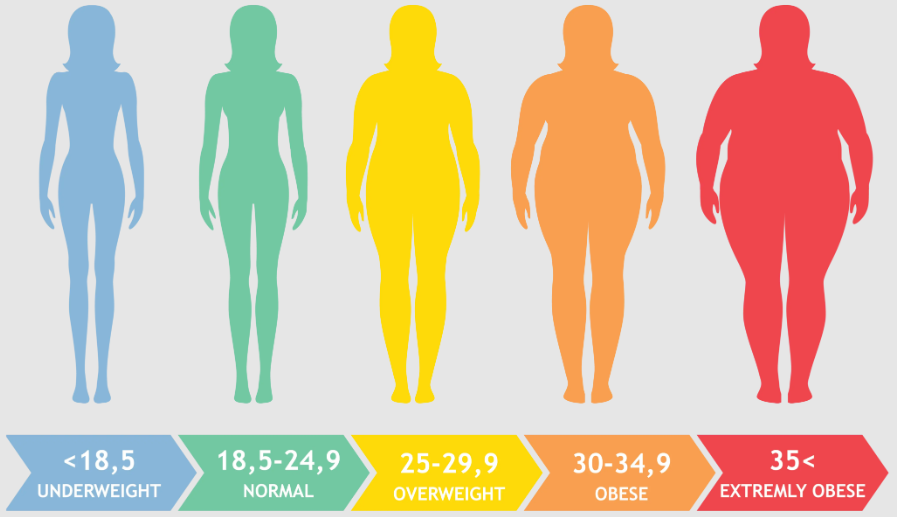
Body Mass Index (BMI) is widely used as a quick tool to assess whether a person’s weight falls within a healthy range. However, what many people don’t realize is that the same BMI value can indicate very different health conditions for men and women. Behind this simple formula lie fundamental differences in body composition between the sexes.
How BMI Works — and Its Limitations
BMI is calculated by dividing body weight (in kilograms) by height (in meters) squared. According to World Health Organization (WHO) standards:
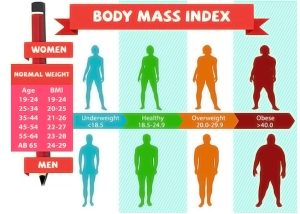
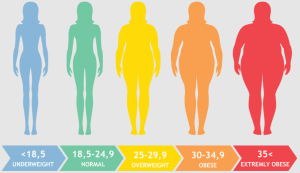
* Below 18.5: Underweight
* 18.5–24.9: Normal weight
* 25–29.9: Overweight
* 30 and above: Obesity
These categories are easy to use and helpful for population-level screening. But the question remains: does a single standard truly apply to everyone?
Why Gender Matters When Interpreting BMI
A quick look around any gym makes the answer clear. Men and women differ significantly in body structure:
* Men typically have higher muscle mass, heavier bones, and tend to store fat around the abdomen.
* Women naturally have a higher percentage of body fat, with fat more commonly stored in the hips and thighs.
Because muscle weighs more than fat, these biological differences can greatly affect what a BMI number actually represents.
Same BMI, Different Bodies
A study from Johns Hopkins University found that men and women with the same BMI (for example, 25) can have very different body compositions.
Men are more likely to be “muscular overweight,” while women may have a higher proportion of body fat. These differences affect not only appearance, but also long-term health risks.
Hormones Shape Body Composition
The reason for these differences lies in biology. Testosterone promotes muscle growth and stronger bones in men, while estrogen encourages fat storage in women, particularly in areas related to reproduction. Hormones also influence where fat is stored, which turns out to be more important than how much fat a person has.
Fat Location Matters More Than Fat Amount
Research consistently shows that where fat is stored is a stronger predictor of health risk than total body fat.
* Abdominal (visceral) fat, common in men, releases inflammatory substances and significantly increases the risk of heart disease and type 2 diabetes.
* Hip and thigh fat, more common in women, is relatively metabolically inactive and poses a lower health risk.
This explains why two people with the same BMI can have very different metabolic health.
How Doctors Evaluate BMI in Practice
In clinical settings, BMI is rarely used alone. Doctors often combine it with other measurements such as waist circumference and waist-to-hip ratio.
For example, a man with a BMI of 26 and a waist circumference over 94 cm faces a much higher health risk than someone with the same BMI but a normal waist size.
BMI, Gender, and Mortality Risk
Studies suggest that in the overweight range (BMI 25–29.9), men tend to have slightly higher all-cause mortality rates than women, likely due to greater accumulation of harmful visceral fat. In obesity ranges, certain risks — such as joint disorders — may be more pronounced in women.
How to Assess Your Health More Accurately
BMI is only one piece of the puzzle. For a clearer picture, also pay attention to:
1. Waist circumference
* Men: under 94 cm
* Women: under 80 cm
2. Waist-to-hip ratio
* Men: below 0.9
* Women: below 0.85
3. Body composition analysis
Understanding your muscle-to-fat ratio provides far more insight than weight alone.
4. Metabolic blood markers
Including blood glucose, cholesterol, and triglycerides.
Health Is More Than a Number
Chasing a “perfect” BMI is far less important than maintaining overall health. Balanced nutrition, regular physical activity, quality sleep, and stress management matter far more than a single number on a chart. Your body’s function and energy levels are often better indicators of health than BMI alone.
Five Common Questions About BMI and Gender
1. Why do men and women use the same BMI standards?
BMI was designed as a simple screening tool for large populations. Using a single standard makes it practical for public health use. In individual assessments, healthcare professionals always consider gender, age, and fat distribution alongside BMI.
2. Can muscle make BMI misleading for men?
Yes. Muscle is denser than fat, so muscular men — such as athletes — may have a BMI over 25 while still having low body fat and excellent health. This is one of BMI’s well-known limitations.
3. Should BMI interpretation change after menopause?
Absolutely. After menopause, lower estrogen levels cause fat to shift toward the abdomen, increasing metabolic risk. Postmenopausal women should pay close attention to waist circumference and fat distribution, not just BMI.
4. Is BMI useful during pregnancy?
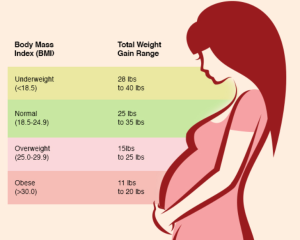
BMI is helpful for assessing pre-pregnancy weight status but does not accurately reflect health during pregnancy. Weight gain includes the fetus, placenta, and fluid. Doctors use pre-pregnancy BMI to guide healthy weight-gain ranges.
5. What weight-related indicators matter most for men and women?
Men should focus on waist size and visceral fat levels, while women should monitor overall body fat percentage and post-menopausal fat redistribution. Both should prioritize maintaining muscle mass, as muscle loss increases health risks with age.
The editor believes that BMI is somewhat related to gender, but it’s not absolute. Being happy every day, staying active, and rarely getting sick—that’s the best indicator of a healthy body.

Related Articles